Source Air Rowing Machines for Commercial Gyms, Home Fitness, and Training
Find and compare 30 certified air rowing machines from verified suppliers. These units feature adjustable resistance, steel frames, and customizable options suitable for commercial gyms, home fitness centers, and professional training facilities.
Key considerations
Products List






Comprehensive Sourcing Guide
Strategic Sourcing Guide for CE Certified Air Rowing Machines
Understanding the Core Product Category and Technical Baseline
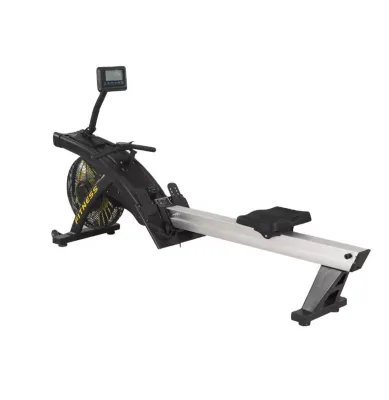
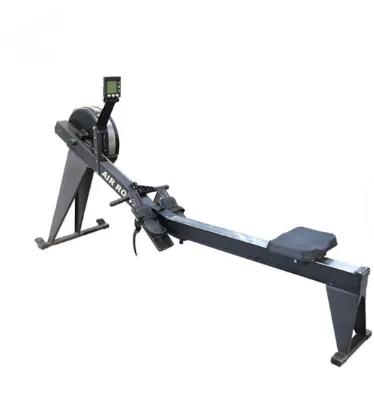
When sourcing an air rowing machine for commercial or home gym deployment, the primary distinction lies in the resistance mechanism. Unlike magnetic or water resistance systems, air rowing machines utilize a flywheel housed within a casing. As the user pulls the handle, a fan spins, creating resistance that scales directly with the user's effort. This characteristic makes the equipment highly responsive and suitable for high-intensity interval training (HIIT) and competitive rowing simulations. The core keyword "CE certified air rowing machine" indicates a specific subset of this market where the product meets European safety, health, and environmental protection standards, a critical requirement for importing into the European Union and many other global markets.
Based on observed product attributes in the current market, these units typically feature a robust steel frame construction to withstand the dynamic forces generated during intense rowing strokes. The standard configuration often includes a double-track system for the seat, ensuring smooth and stable movement along the rail. A human engineering seat is frequently specified to enhance user comfort during prolonged sessions. The resistance mechanism is often adjustable, with many models offering ten distinct levels of resistance. This adjustability allows the machine to cater to a wide range of users, from beginners to elite athletes, by simply altering the damper settings or the intensity of the pull.
The physical footprint of these machines is a significant consideration for procurement planners. Observed specifications indicate a standard product size of approximately 2280mm in length, 600mm in width, and 850mm in height. When folded or packed for transport, the dimensions often reduce to roughly 1430mm by 400mm by 550mm, with a package volume of around 0.33 cubic meters. This compactability is essential for logistics efficiency, particularly when shipping from manufacturing hubs in China to international destinations. The weight of the unit itself varies, with observed net weights ranging from 29kg to 37kg, while gross weights for shipping purposes can reach up to 43kg depending on the packaging density.
Compliance Verification and Certification Protocols
The "CE" designation is not merely a marketing label but a legal requirement for products sold within the European Economic Area. For an air rowing machine to bear the CE mark, the manufacturer must ensure the product complies with relevant directives, such as the Machinery Directive and Low Voltage Directive. In the provided data, certifications listed alongside the CE mark often include RoHS (Restriction of Hazardous Substances) and ISO standards. These additional certifications indicate that the manufacturer adheres to strict environmental guidelines regarding hazardous materials and maintains a quality management system.
Buyers must verify that the certification is valid and applicable to the specific model being ordered. The data shows variations in certification lists, with some entries citing "CE, RoHS, ISO" while others list "CE, ISO." This discrepancy highlights the importance of requesting the specific Declaration of Conformity (DoC) for the exact model number, such as BDM-004 or AFAR-01, before finalizing a purchase. The DoC serves as the legal document proving that the product has been assessed against the applicable EU directives.
Furthermore, the origin of the product plays a role in the compliance narrative. Many of the observed units originate from Qingdao, China, a major manufacturing hub for fitness equipment. While the location itself does not determine compliance, it necessitates a rigorous review of the supplier's quality control processes. The buyer should confirm that the CE marking was applied by the manufacturer or their authorized representative within the EU, as the supplier is responsible for the technical file and the conformity assessment. Without a valid technical file, the CE mark is invalid, and the product cannot be legally imported or sold in regulated markets.
Cost Drivers and Pricing Structure Analysis
The pricing of air rowing machines is influenced by several tangible factors, including material costs, manufacturing complexity, and certification expenses. The observed price range for these units in the current market spans from 70 to 400 USD. This wide variance suggests a spectrum of product quality, from basic entry-level models to premium commercial-grade units. The lower end of the price range may correspond to simpler configurations with fewer features, while the higher end likely reflects enhanced durability, advanced display systems, and comprehensive certification packages.
Material selection is a primary cost driver. The standard material for the frame is steel, which provides the necessary strength for the high loads generated during rowing. However, the quality of the steel and the finishing process (e.g., powder coating) can significantly impact the cost. Additionally, the inclusion of a "Bluetooth Device" configuration, as noted in some product attributes, adds a layer of technological complexity that can increase the unit price. This connectivity feature allows users to track their performance via mobile applications, a value-added service that commands a premium in the market.
Packaging and logistics also contribute to the final cost. The standard packing method is the carton box, with specific dimensions provided for efficient stacking. The package volume of 0.33cbm is a critical metric for freight calculations. Buyers should be aware that while the base unit price might appear low, the total landed cost must include shipping, insurance, and import duties. The observed MOQ (Minimum Order Quantity) ranges from 1 to 176 units, offering flexibility for both small boutique gyms and large commercial distributors. Understanding the MOQ structure is essential for negotiating favorable terms and managing inventory risk.
Operational Specifications and Performance Metrics
To ensure the equipment meets the demands of its intended application, buyers must scrutinize the operational specifications. The maximum weight capacity is a critical safety parameter. While some observed data points indicate a weight capacity of 200kg, other entries suggest a limit of 150kg. This inconsistency underscores the necessity of verifying the specific model's load-bearing limits. For commercial gyms serving a diverse clientele, a capacity of 200kg or higher is generally preferred to ensure longevity and safety for all users.
The resistance system is another key performance metric. The air resistance mechanism is inherently self-regulating, meaning the harder the user pulls, the greater the resistance. This feature is ideal for interval training where resistance needs to fluctuate rapidly. The presence of 10 levels of adjustable resistance allows for fine-tuning the workout intensity. The display unit, often an English display, provides essential feedback on metrics such as time, distance, strokes per minute, and calories burned. For commercial applications, the durability of the display and its ability to withstand sweat and frequent use is paramount.
The application scope for these machines is broad, ranging from commercial gyms to home use. The "Commercial Gym Home" designation indicates versatility, but the build quality required for commercial settings is significantly higher. Commercial units must withstand hundreds of hours of use per week, necessitating reinforced frames and high-grade bearings. The "Movable for Use" attribute suggests that the machines are designed with portability in mind, often featuring transport wheels or a foldable design to facilitate storage and reconfiguration of the gym space. The product use space of 2740mm by 1220mm provides a clear guideline for the floor area required to operate the machine safely, ensuring adequate clearance for the rowing motion.
Supplier Evaluation and Quality Assurance Strategies
Selecting the right supplier is as critical as selecting the right product. The supply chain for fitness equipment is global, with China being a dominant source. Buyers should evaluate suppliers based on their ability to provide consistent quality, valid certifications, and reliable after-sales support. The presence of OEM (Original Equipment Manufacturer) acceptability in the product attributes indicates that suppliers are willing to customize products, including logo placement and color schemes. This flexibility is valuable for brands looking to white-label equipment for their specific market.
Quality control should be a central part of the procurement process. Buyers must request evidence of the manufacturing process, including material testing reports and assembly line inspections. The "Customized" wood material and "Customized Logo" options suggest that the supplier has the capability to tailor the product, but this also introduces variability. Standardizing the specifications for the order is essential to ensure that every unit meets the required quality standards. The "Human Engineering Seat" is a specific feature that should be verified for comfort and durability, as the seat is a high-wear component.
When evaluating suppliers, buyers should also consider their track record with international trade. The "CE, RoHS, ISO" certifications are strong indicators of a supplier's commitment to quality and compliance. However, buyers should not rely solely on the presence of these labels. It is advisable to conduct third-party audits or request samples for independent testing. The "Double Track" system is another feature that should be inspected for smooth operation and alignment. A supplier that can provide detailed technical drawings and assembly instructions demonstrates a higher level of professionalism and support.
Long-Term Procurement and Maintenance Considerations
Sourcing air rowing machines is not just a one-time transaction but a long-term investment. The durability of the equipment depends on the quality of materials and the design of the resistance system. Steel frames are generally durable, but the finish must be resistant to corrosion, especially in humid environments. The "Carton Packing" method protects the units during transit, but buyers should also consider the packaging for long-term storage if the units are not immediately deployed.
Maintenance is a key factor in the total cost of ownership. Air rowing machines have fewer moving parts than hydraulic or magnetic systems, which generally reduces maintenance requirements. However, the flywheel and the chain or belt drive system require regular inspection and lubrication. The "10 Levels Adjust Resistance" feature implies that the damper mechanism must remain functional and precise over time. Buyers should inquire about the availability of spare parts, such as chains, belts, and seats, to ensure that the equipment can be maintained for years of service.
The "Bluetooth Device" configuration adds a layer of complexity to long-term maintenance. Software updates and connectivity issues may arise, requiring the supplier to provide technical support. Buyers should verify the supplier's policy on software support and the availability of replacement electronic components. The "Customized" nature of the product, including the wood material and logo, may also affect the availability of replacement parts. Ensuring that the supplier can provide custom parts or that the standard parts are compatible with the customized version is crucial for long-term viability.
In conclusion, sourcing a CE certified air rowing machine requires a meticulous approach that balances technical specifications, compliance verification, cost analysis, and supplier evaluation. By focusing on the core attributes observed in the market, such as the steel construction, air resistance mechanism, and specific certification requirements, buyers can make informed decisions that ensure the procurement of high-quality, safe, and durable equipment for their fitness facilities. The wide range of observed prices and specifications necessitates a thorough due diligence process to select the product that best fits the specific needs of the target market.
FAQs
What certifications do these air rowing machines hold?
The machines hold CE, RoHS, and ISO certifications. Some models list CE and ISO only, so verify the specific Declaration of Conformity for the exact model number before ordering to ensure compliance.
How much weight can the rowing machine support?
Maximum weight capacity varies by model, with observed limits of 150 kg and 200 kg. Buyers must confirm the specific load-bearing limit for the chosen model to ensure safety for all intended users.
Can I customize the logo and color of the machine?
Yes, customized logos and colors are available for this equipment. Suppliers accept OEM requests, allowing buyers to tailor the appearance to their brand requirements while maintaining the standard steel frame construction.
What is the resistance mechanism and adjustability level?
The machine uses air resistance with 10 adjustable levels. This system scales resistance with user effort, making it suitable for high-intensity training while allowing fine-tuning for different fitness levels.
Where are these air rowing machines manufactured?
The products originate from China, specifically Qingdao. This location is a major manufacturing hub for fitness equipment, requiring rigorous quality control checks to ensure the products meet international safety standards.
What are the package dimensions and volume for shipping?
Package sizes vary, typically around 1430 by 400 by 550 mm with a volume of 0.33 cubic meters. These dimensions are optimized for efficient stacking and transport in standard shipping containers.